
One surface. Different possibilities.
GREENWOOD PVC film lets one decor move across the interior — from kitchen fronts and wardrobes to doors, wall panels and shaped details.
PVC film becomes useful when the design does not stop at a flat panel.
This is not self-adhesive interior wrap.
Beyond the flat panel
- Flat Panels and furniture surfaces.
- Routed MDF fronts and door faces.
- Wrapped Frames, profiles, slats and mouldings.
One decorative surface can often be carried across different forms of the interior. PVC film is especially useful when that surface has to go beyond a flat panel — onto routing, radii, doors, profiles and other elements of the same project.
Routed and shaped — the surface follows the mill
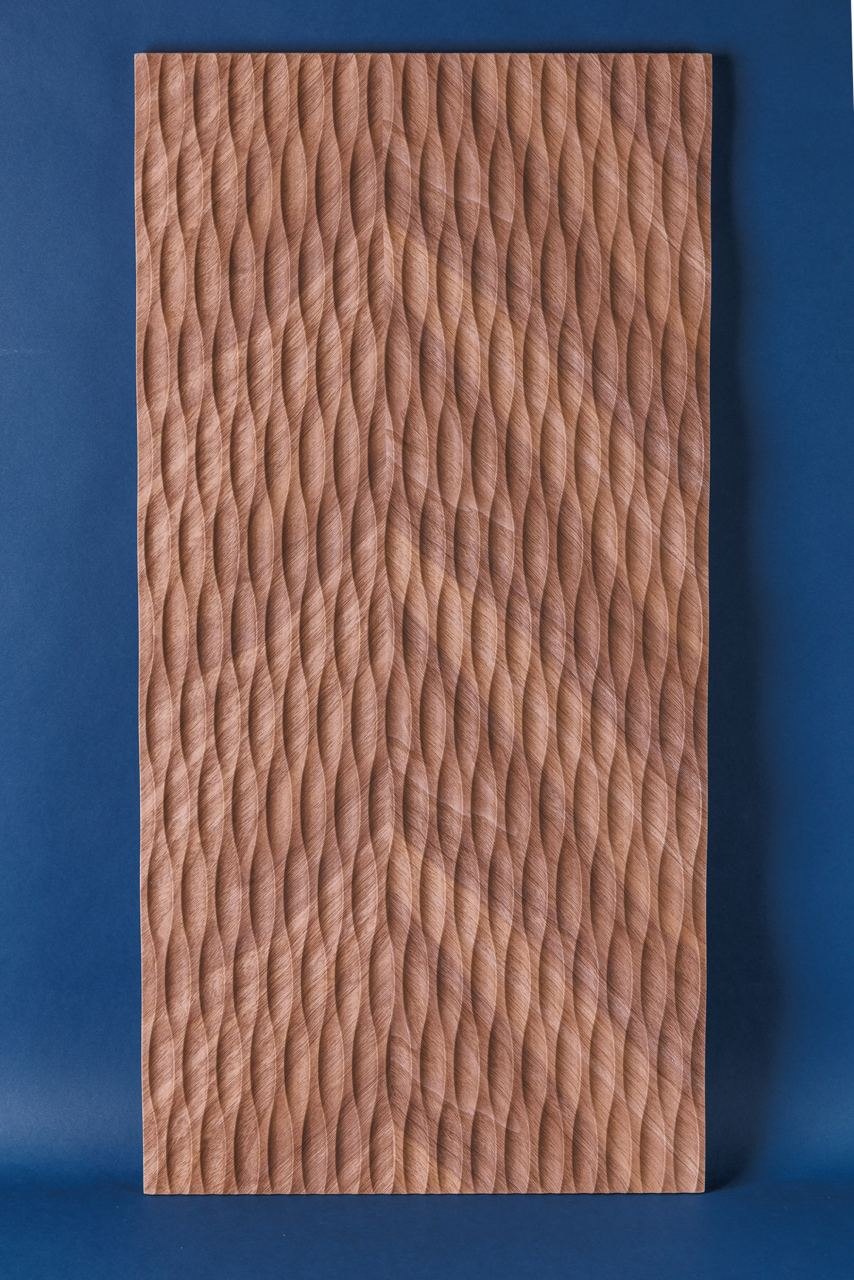
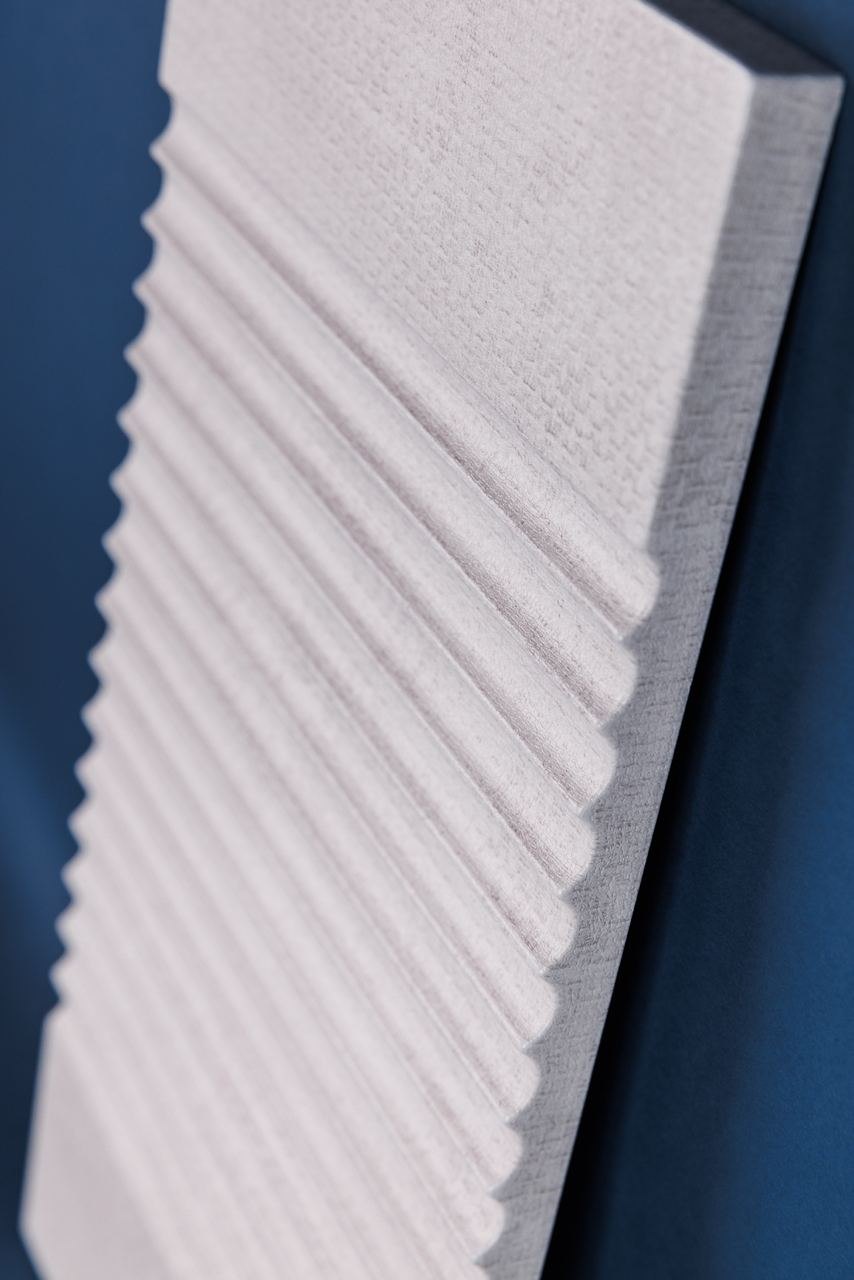
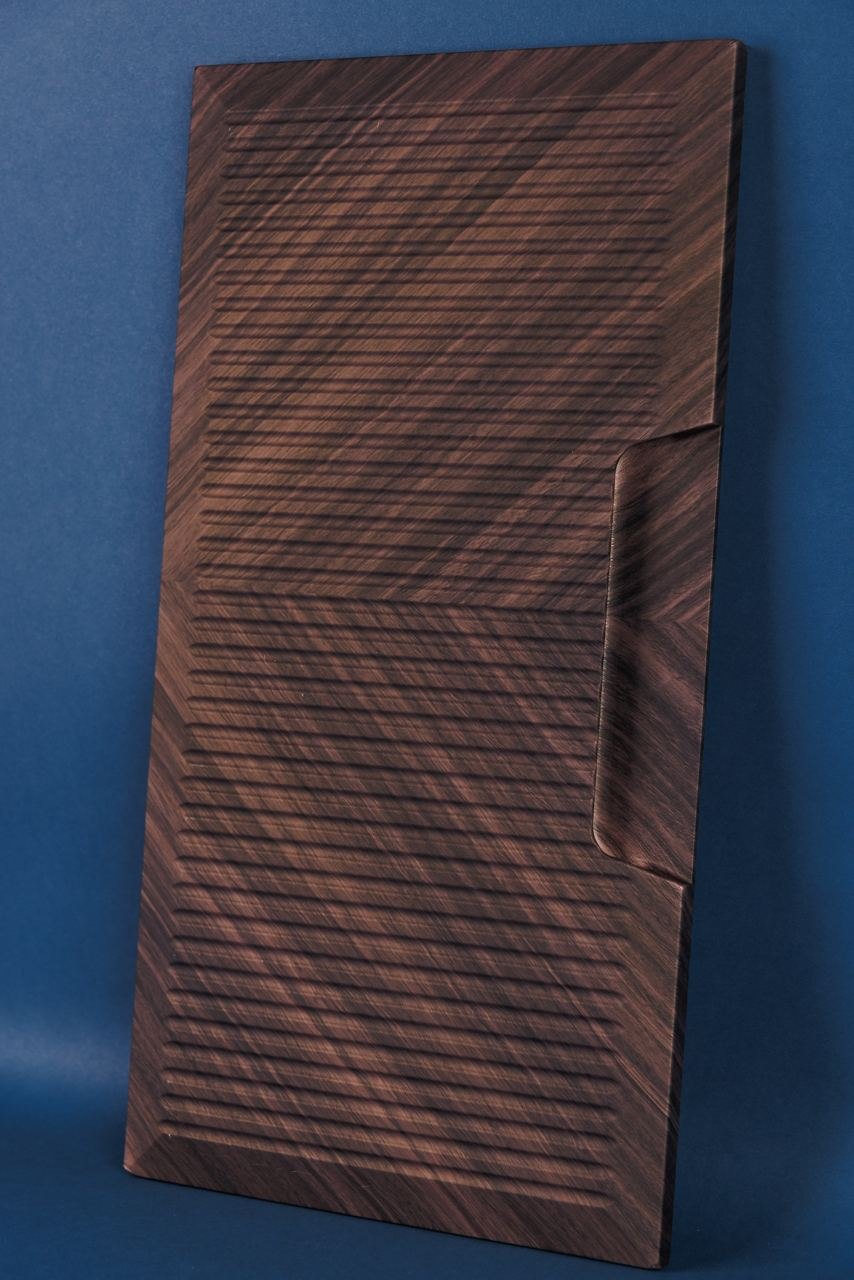
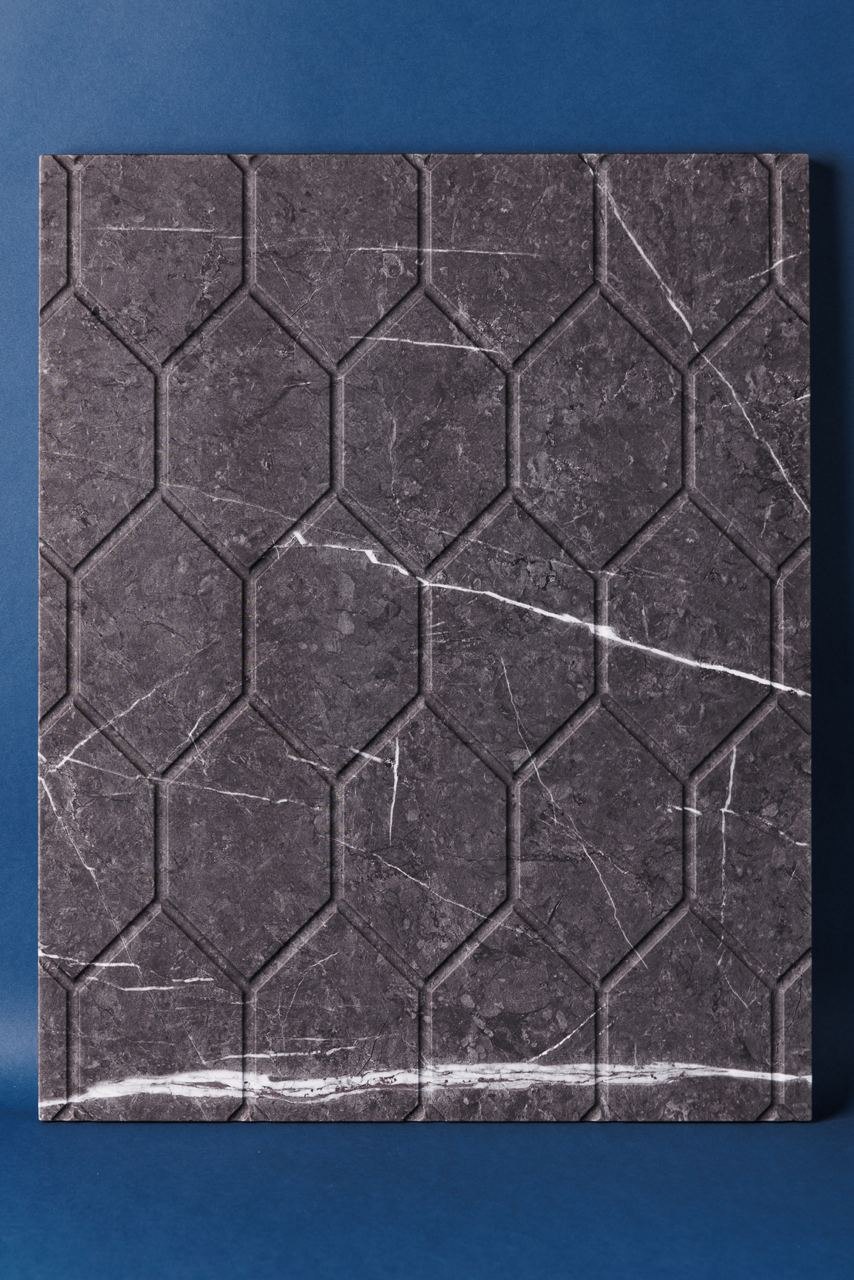
Studio examples of shaped and routed surfaces. Confirm colour and texture on a physical sample.
Design across the interior
One decor. Across the interior.
Explore where PVC film can take the same colour, woodgrain or surface direction throughout a project.
Choose the surface by what you want to create
Start with the design job. HPL, melamine, paint and veneer remain the rational first look for some of those jobs. PVC film is also a starting point for decorative flat panels by lamination — and when the same decorative surface has to travel across form and across interior elements.
A flat work surface
HPL
Flat furniture panels
Melamine
Seamless solid colour on complex shapes
Paint
Authentic natural wood, with the variation that comes with it
Veneer
Start with PVC film when…
Decorative flat panels
PVC film
Flat lamination · around 0.18 mm
Decor across flat, routed and wrapped forms
PVC film
The same surface direction across different interior elements
PVC film
Decorative shaped MDF in serial production
PVC film
These are starting points for a design job, not a ranking of materials. The article, thickness, coating and production process still decide what can be made — confirm and test on the line.
One walnut direction. Several forms.
A bedroom can ask for a wardrobe, routed fronts, a wall panel, a door, profiles and a bedside unit — around one warm walnut direction.
- Wardrobe
- Routed fronts
- Wall panel
- Door
- Profiles
- Bedside
HPL stays closest to a sheet. Paint keeps the form and drops the woodgrain. Veneer is real wood, with a different economy and natural variation. PVC film is the option when the job is: take this walnut decor through the different forms in the project.
What PVC film is for
-
01
Formability
The decor follows the form: routed MDF, shaped fronts, door faces, radii, wrapped profiles and mouldings — not only a flat panel.
-
02
Surface continuity
Kitchen front, wardrobe, door, wall panel, furniture component, profile — one visual language, where the selected article and process actually fit the part.
-
03
Industrial repeatability
The designer specifies once. The factory has to make the run — kitchens, doors, wardrobes, fit-out — as a repeatable decorative surface, not a one-off object.
-
04
Design range
Not only woodgrain. Colour and decor, then surface character, gloss and texture as separate choices — then the same direction taken onto different forms.
-
05
From the picture to the line
Name the decor and the part — for example LW 666-2 on a routed front. Next: confirm article, thickness and process, then a production test. The specifier does not need to set adhesive or press cycle.
Colour, woodgrain and texture as a design range
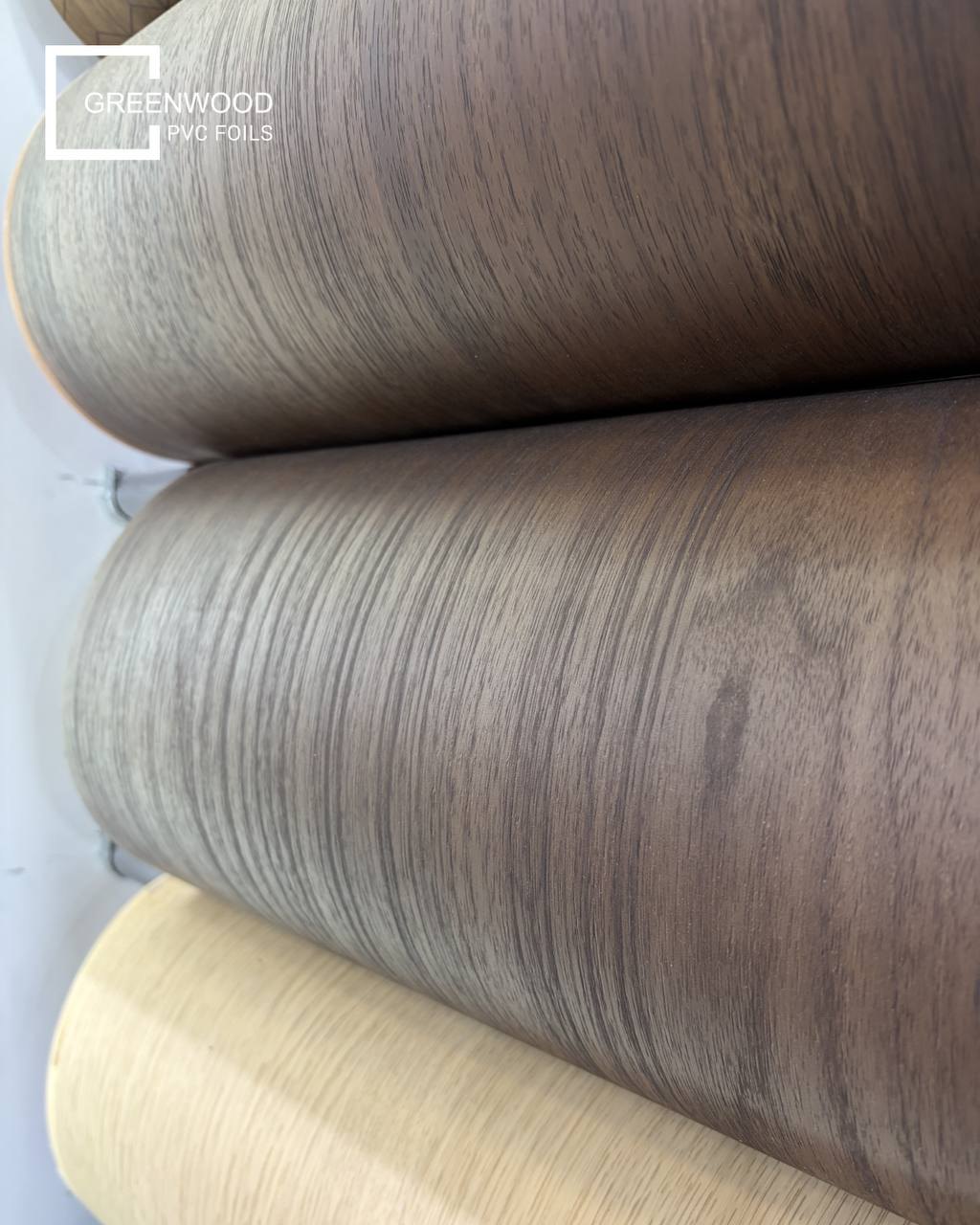
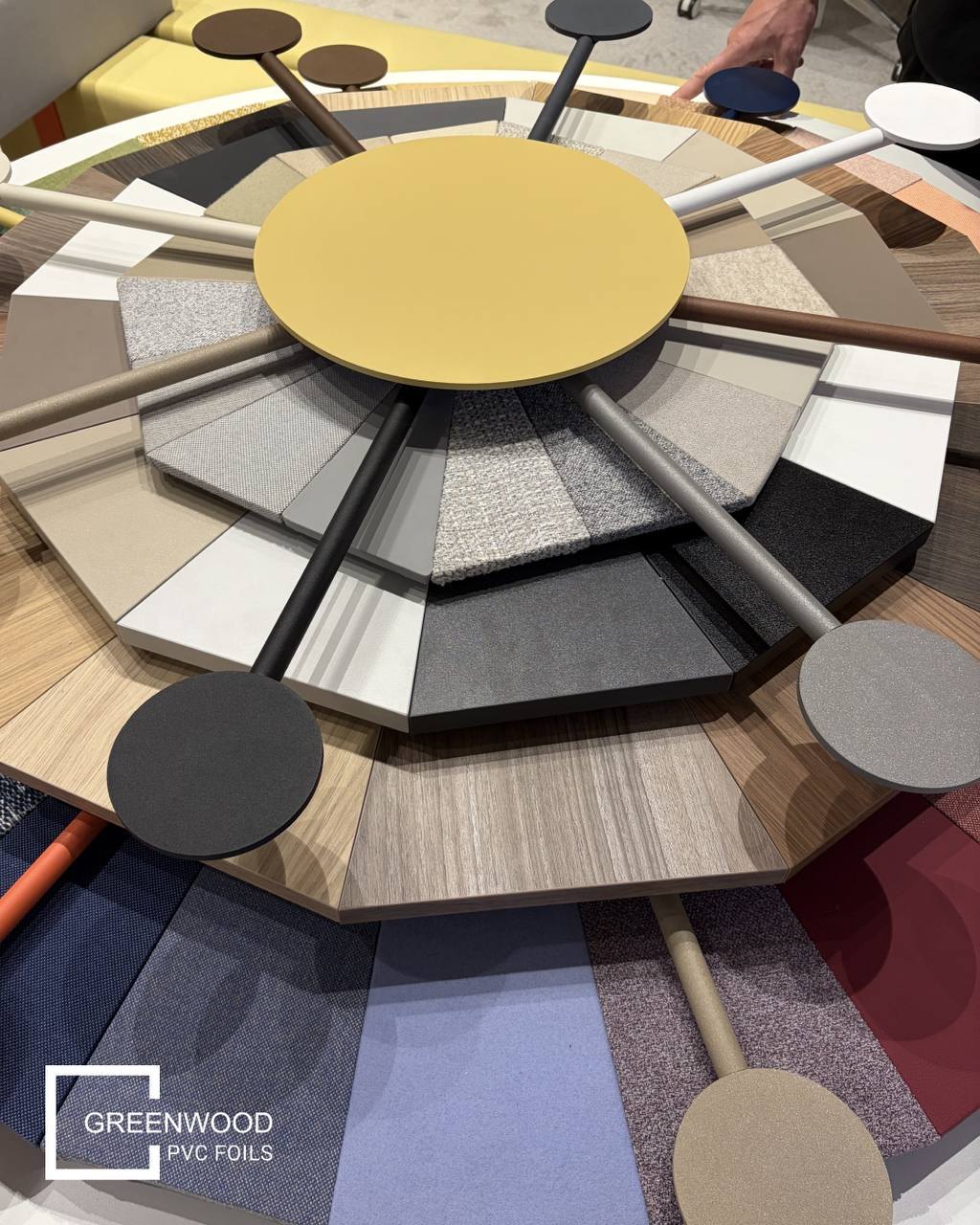
Range examples — not a stock promise. Open a collection or request a physical sample.
From design to production
As a starting point, shaped and routed MDF often uses membrane pressing; continuous profiles are commonly profile-wrapped; flat components are commonly flat-laminated. Confirm the article and process on your line. New to PVC film production? Start with PVC film production basics — which variables decide the result.
Vacuum & membrane pressing
For shaped and routed MDF fronts, door faces and furniture components. The film forms over the surface and follows its geometry under heat and pressure.
Profile wrapping
Door frames, architraves, mouldings, decorative slats and other wrapped profiles. DOORS FORMAT is a focused GREENWOOD PVC film selection for door components and profile wrapping.
Flat lamination
For flat panels, door skins and furniture components where a decorative surface is applied across the face.
As a starting point, thicker films around 0.35 mm are commonly used for shaped and routed parts; thinner films around 0.18 mm for profile wrapping and flat lamination. Confirm the article on your line before production.
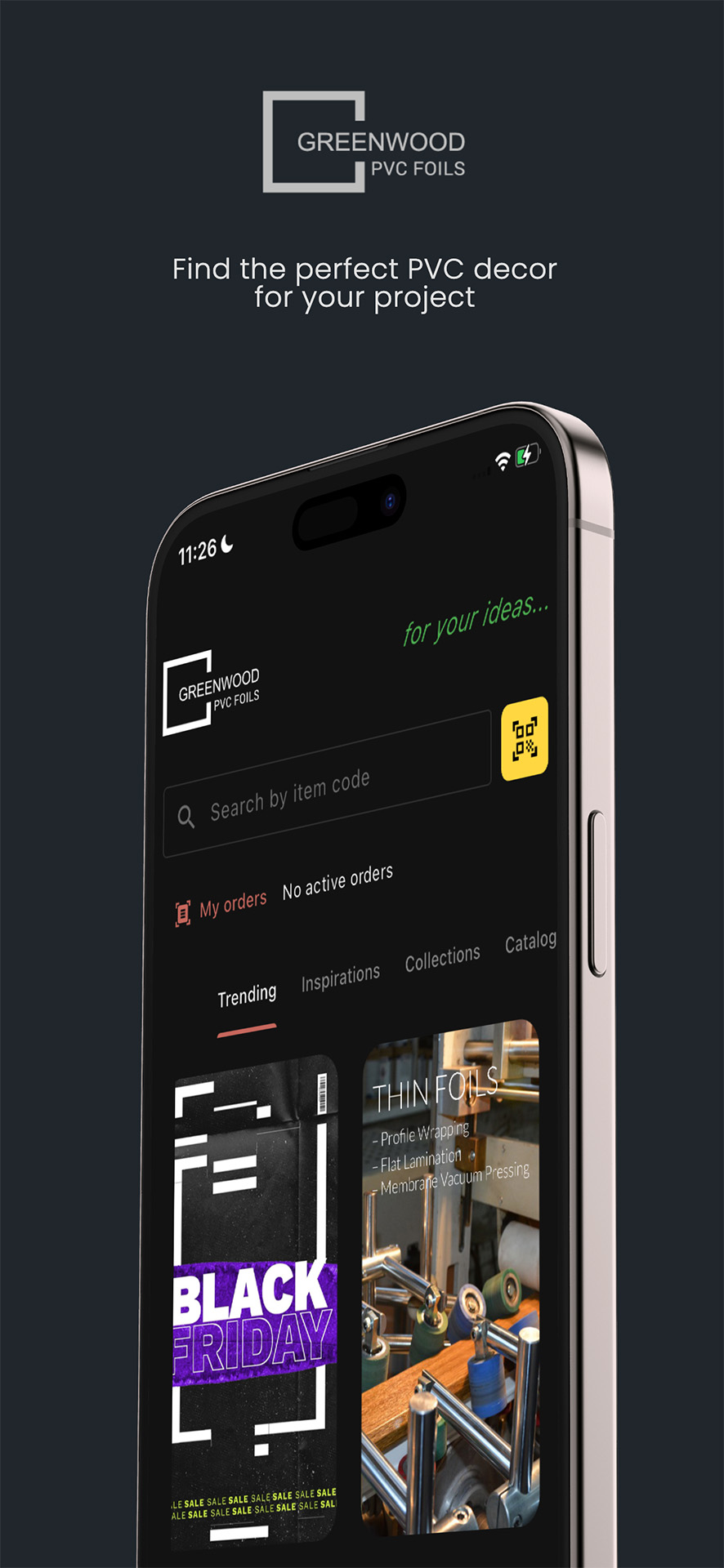
GREENWOOD app
Browse decors the way the project thinks
Trending, Inspirations and Collections in the GREENWOOD app — then confirm colour and texture on a physical sample.
Not ordering yet? Request a physical sample

Ready to test a decor?
Choose an article, request a physical sample and test it with your material and production process. Selected GREENWOOD decors are available from stock in the UAE.
Already working with GREENWOOD? Order familiar articles through the Client Portal.
Questions
Which thickness for vacuum pressing vs profile wrapping?
As a starting point, thicker films around 0.35 mm are commonly used for shaped and routed parts, while thinner films around 0.18 mm are commonly used for profile wrapping and flat lamination. Confirm the article on your line before production.
When is HPL, paint or veneer the better starting point?
A flat work surface often starts with HPL. Seamless solid colour on complex shapes often starts with paint. Authentic natural wood starts with veneer. Flat furniture panels often start with melamine. Decorative flat panels can also start with PVC film by lamination — films around 0.18 mm are commonly used. PVC film is also the starting point when the same decorative surface has to travel across form and across interior elements. Choose the surface by the design job.
Is this self-adhesive vinyl or interior wrap?
No. GREENWOOD supplies decorative PVC film for furniture, door and profile production. Self-adhesive architectural wrap is a different product.